
Inside Plantation Industries
Quality is the handover between every team
A laboratory result matters. So does the condition of a bag, the identity of a lot and the care taken at dispatch.
Quality in cocoa processing is often associated with the laboratory, but no laboratory can create quality at the end of a process that has not protected it along the way. A test result confirms the condition of a sample at a particular moment. The finished product, however, reflects dozens of decisions made by sourcing teams, warehouse operators, production crews, maintenance technicians, quality personnel and dispatch teams. Quality is the handover between them.
The first handover begins before cocoa reaches the factory. Supplier approval, purchasing specifications and origin information establish what the business is prepared to receive. Clear expectations for moisture, defects, contamination risks, packaging and traceability reduce ambiguity at delivery. When a supplier knows the standard in advance and receives timely feedback, quality control becomes a shared requirement rather than a dispute at the warehouse gate.
At intake, identity and condition must remain connected. The team receiving a lot should be able to confirm who supplied it, where it came from, how it was transported and whether the packaging is intact. Sampling and inspection then determine whether the physical cocoa matches the accompanying record. If the lot is accepted, its identity must follow it into storage. If it is held or rejected, the reason and disposition should be equally clear.
Storage is not a passive interval. Cocoa can deteriorate when exposed to moisture, odours, pests, damaged packaging or poor stock rotation. Warehouse discipline protects what sourcing and intake have already established. Clean storage areas, appropriate stacking, separation from incompatible materials, routine inspection and accurate inventory records help prevent a conforming lot from becoming a production problem later.
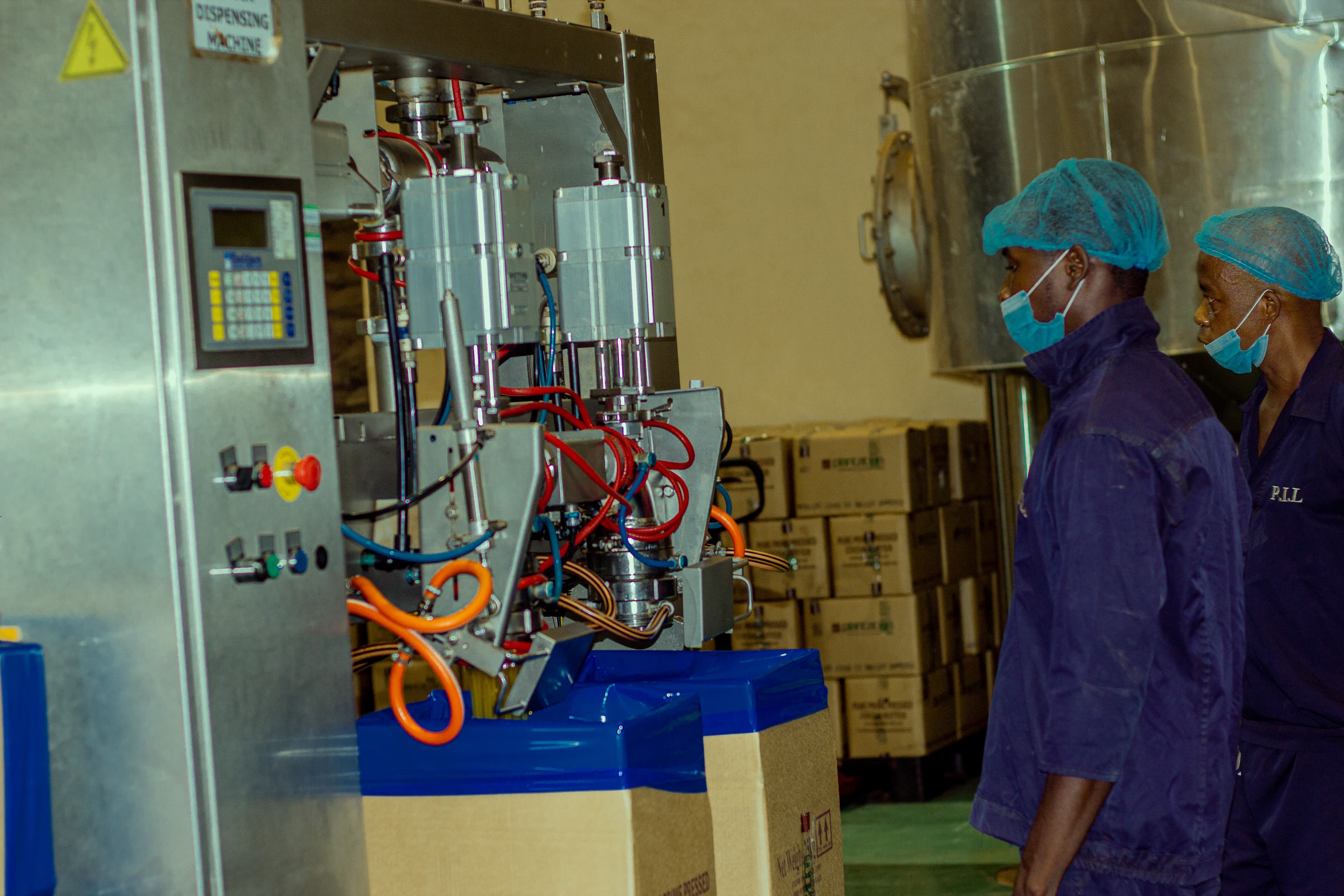
Production adds another series of handovers. Operators need the correct material, approved process settings and a clear understanding of what must be recorded. Cleaning, roasting, grinding, pressing and milling each have parameters that affect food safety and product performance. When a result moves outside its defined range, the response should be immediate and documented. Passing an unexplained deviation to the next stage only makes the eventual investigation slower and more expensive.
Maintenance is part of the same quality system. Equipment condition influences foreign-body risk, lubricant control, temperature stability and process consistency. Preventive maintenance, food-grade lubricant discipline, magnet and sieve checks, and calibrated metal detection are not separate engineering concerns; they are controls that protect the product. After maintenance work, the line must be handed back in a condition that is safe, clean and ready to operate.
The laboratory provides independent evidence for release, but the result is strongest when it sits alongside complete production records. A compliant moisture, microbiological or chemical result does not erase a missing traceability record or an unresolved process deviation. Product release should bring the evidence together: raw-material status, critical process checks, packaging approval, laboratory results, equipment verification and confirmation that any deviations have been assessed.
Packing and dispatch form the final physical handover. The correct product must enter the correct approved packaging, carry the correct identity and be allocated to the correct customer order. Bag condition, seal integrity, label accuracy, vehicle cleanliness and dispatch documentation all matter. A product can leave the process within specification and still reach the customer in poor condition if these final controls are treated as administrative details.
Strong traceability makes every handover visible. The business should be able to trace a finished batch back through processing and intake to its source, and forward to the customer allocation. This capability supports targeted holds, efficient investigations and proportionate corrective action. It also helps teams learn: recurring deviations can be identified, root causes addressed and the effectiveness of corrective actions checked over time.
The most mature quality cultures do not rely on one department to catch everyone else’s mistakes. Each team understands what it receives, what it must protect and what evidence the next team needs. People raise concerns early because visibility is valued more than appearances. Records are completed because they support decisions, not simply because an audit may ask for them.
That is why quality is best understood as a chain of accountable handovers. Sourcing cannot pass uncertainty to intake. Intake cannot pass unidentified material to the warehouse. Production cannot pass unexplained deviations to the laboratory. Release cannot pass incomplete evidence to dispatch. When every team protects the product and the information travelling with it, consistent quality becomes the normal result of the operation rather than a final inspection exercise.