
2025/26 season note
What this cocoa season is asking of processors
A tighter cocoa market rewards discipline: understand incoming quality, protect usable yield and plan customer commitments against stock you can stand behind.
Every cocoa season brings a different combination of crop availability, bean condition, logistics pressure and customer demand. In a tighter market, the businesses that perform most reliably are not simply those that secure the most volume. They are the ones that understand the quality of what is arriving, protect usable yield throughout processing and make commercial commitments against stock they can confidently deliver.
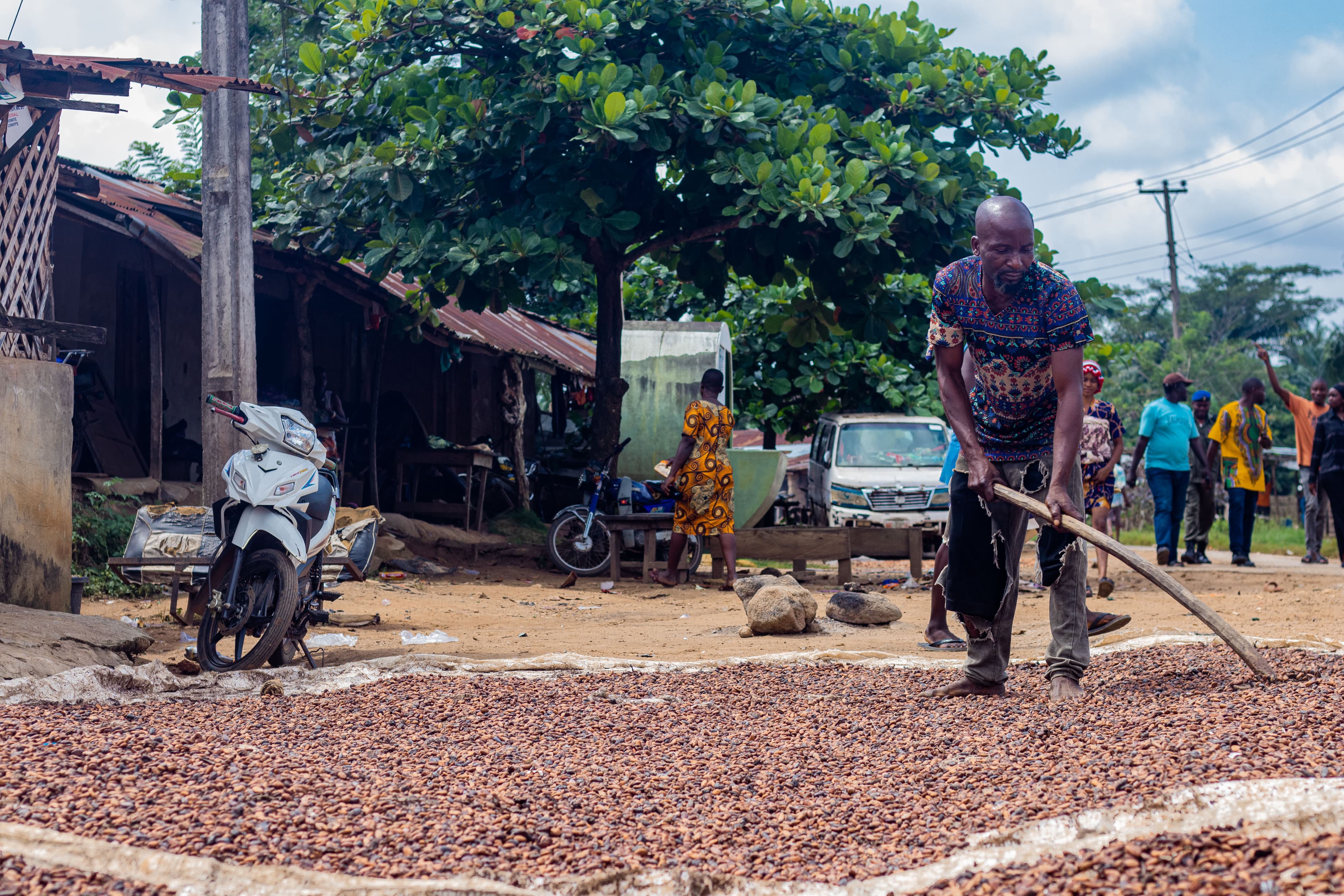
The first discipline is visibility at intake. A purchase volume is only meaningful when the processor also understands moisture, bean count, fermentation, mould, smoke, foreign matter and other defects that influence how the cocoa will behave. Representative sampling and consistent grading provide an early view of likely cleaning loss, roasting performance and finished-product yield. When intake information is weak, production planning begins with assumptions; when it is reliable, teams can make decisions using evidence.
That evidence should travel beyond the quality team. Procurement needs it to evaluate suppliers and buying decisions. Production needs it to plan cleaning, roasting and processing parameters. Commercial teams need it to understand how much saleable product can reasonably be committed. Finance needs it to distinguish purchased tonnage from recoverable value. A disciplined season plan connects all four perspectives instead of allowing each department to work from a different version of available stock.
Yield protection is especially important when replacement cocoa is expensive or difficult to secure. Losses that appear small at one stage can become material when repeated across many batches. Accurate mass-balance records help teams see where those losses occur—from intake and cleaning through shell removal, refining, pressing and packing. The purpose is not to chase a theoretical zero-loss process. It is to recognise normal process loss, identify avoidable loss and act before a recurring issue becomes accepted as routine.
Maintenance and production scheduling also become commercial tools. A line that is technically capable of processing a certain volume may not deliver that volume if critical maintenance is postponed, changeovers are poorly planned or packaging materials arrive late. Capacity should therefore be discussed as dependable output over time, not only as an hourly machine rating. Protecting production windows, maintaining critical spares and coordinating packaging availability can be as important as purchasing the beans themselves.
Supplier relationships matter throughout this work. Clear specifications, prompt quality feedback and traceable delivery records help suppliers understand what is acceptable and where improvement is required. Consistency is more likely when quality expectations are communicated before dispatch rather than raised only after cocoa reaches the warehouse. Over time, this creates a stronger supply base and reduces the need to solve preventable problems inside the factory.
Customers also benefit from realistic planning. Product specifications, required volumes, destination, packaging format and delivery timing should be aligned early. In a volatile season, promising before these details are understood creates avoidable pressure later. A better approach is to confirm the specification, reserve suitable material, establish a credible production window and communicate quickly when circumstances change.
Traceability is the thread connecting these decisions. Lot identities, supplier records, intake results, processing records and customer allocations should allow the business to explain where material came from, what happened to it and where the finished product went. That visibility supports quality investigations, responsible-sourcing requirements and faster decisions when a batch needs to be held or reviewed.
The central lesson of the season is straightforward: resilience is built through control, not prediction. Markets will move, crop conditions will vary and logistics will occasionally disrupt the best plan. Processors can still protect performance by knowing their incoming quality, measuring real yield, maintaining the operation, keeping records connected and committing only to volumes they can stand behind.